Walk into any pharmacy or health food store and you’ll find shelves packed with vitamins, herbal remedies, probiotics, digestive enzymes, cleanses, and “miracle” supplements promising better health. Americans spend billions of dollars every year on over-the-counter (OTC) supplements—but are they really necessary?
At Orlando Gastroenterology, P.A., we are often asked which supplements actually help, which are unnecessary, and which may even be harmful. The answer isn’t always straightforward.
The Good
Some supplements can be beneficial when there is a proven deficiency or a specific medical reason to take them.
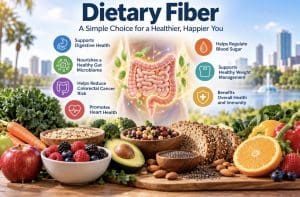
Fiber supplements, including psyllium (such as Metamucil), can be excellent for digestive health. They help relieve constipation, improve stool consistency, may reduce cholesterol levels, and even support a healthier gut microbiome by feeding beneficial bacteria.
Vitamin D is one of the most commonly recommended supplements, and is important if vitamin D level in your blood is low. Many adults have low vitamin D levels, especially those with limited sun exposure. Adequate vitamin D is important for bone health, immune function, and muscle strength.
Vitamin B12 is necessary for people on a vegetarian diet, and with certain gastrointestinal conditions such as Crohn’s disease, after portions of the small intestine have been removed, or for long-term users of acid-reducing medications like proton pump inhibitors.
Omega-3 Fatty Acids (EPA/DHA) would be beneficial for those on a vegetarian diet, as well.
Certain patients may also benefit from iron, calcium, or folic acid, but these should ideally be taken under medical guidance.
The Bad
Many supplements are marketed with impressive claims but have little scientific evidence to support routine use.
Digestive enzymes are a common example. Unless you have a diagnosed condition such as pancreatic insufficiency or lactose intolerance, most healthy people produce all the digestive enzymes they need.
Detox or colon cleanse products are another concern. Your liver, kidneys, and intestines already do an outstanding job of removing waste from your body. Most cleansing products provide no lasting health benefit and may cause dehydration, diarrhea, electrolyte disturbances, or dependence on stimulant laxatives.
Some high-dose vitamin supplements can also be problematic. More is not always better. Excessive amounts of vitamins A, D, E, K and certain minerals can actually cause harm rather than improve health.
The Ugly
The supplement industry is not regulated as strictly as prescription medications. Manufacturers generally do not have to prove that their products work before they are sold.
Some herbal supplements have been linked to liver injury, including certain bodybuilding, weight-loss, and “natural detox” products. Others may contain ingredients that are not listed on the label or vary widely in strength between batches.
Supplements can also interfere with prescription medications. For example, St. John’s Wort can reduce the effectiveness of many medications.
Even seemingly harmless supplements can cause side effects, allergic reactions, or unexpected drug interactions.
What About Probiotics?
Probiotics continue to receive significant attention, but they are not a one-size-fits-all solution. Some patients with antibiotic-associated diarrhea or certain gastrointestinal conditions may benefit from specific probiotic strains. However, different probiotics contain different organisms, and not every product has been shown to be effective. In many healthy individuals, eating a diet rich in fiber, fruits, vegetables, and fermented foods may provide similar benefits.
The Bottom Line
Supplements can play an important role in maintaining health—but only when used appropriately. Before starting any new supplement, ask yourself: Is there good scientific evidence that I need it?
The healthiest “supplement” for most people is still a balanced diet rich in whole foods, regular physical activity, adequate sleep, and preventive medical care.
If you’re experiencing digestive symptoms, have concerns about nutrient deficiencies, or want guidance on which supplements are right for you, the physicians at Orlando Gastroenterology, P.A. are here to help. We provide evidence-based digestive care to patients throughout Orlando and Central Florida, helping you make informed decisions for your gut and overall health.