When it comes to losing weight, fad diets and quick fixes often promise dramatic results but rarely deliver lasting success. The good news? Healthy, sustainable weight loss doesn’t require starving yourself or eliminating entire food groups. Small, consistent dietary changes can make a significant difference—not just for your waistline, but also for your digestive health and overall well-being.
At Orlando Gastroenterology, P.A., we believe that a healthy digestive system is an important foundation for a healthier you.
1. Prioritize Protein at Every Meal
Protein helps you feel fuller longer, preserves muscle mass during weight loss, and requires more energy to digest than carbohydrates or fats. Include lean protein sources such as fish, chicken, eggs, beans, lentils, tofu, and low-fat Greek yogurt. A protein-rich breakfast can also help reduce hunger later in the day.
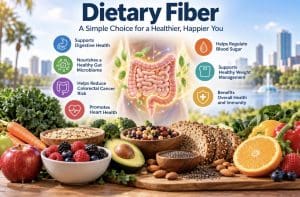
2. Fill Up on Fiber
Fiber is one of the most overlooked tools for weight management. High-fiber foods slow digestion, promote fullness, help regulate blood sugar, and support beneficial gut bacteria.
Choose vegetables, fruits, whole grains, legumes, nuts, and seeds. Aim for approximately 25–38 grams of fiber daily, depending on age and sex. Increase fiber gradually and drink adequate water to minimize bloating.
3. Eliminate Liquid Calories
Sugary sodas, sweetened coffee drinks, fruit juices, and alcoholic beverages can contribute hundreds of calories without making you feel full. Replacing these with water, sparkling water, or unsweetened beverages is one of the simplest ways to reduce daily calorie intake.
4. Choose Whole Foods Over Ultra-Processed Foods
Highly processed snacks, packaged sweets, and many convenience foods are often calorie-dense and easy to overconsume.
Instead, build meals around vegetables, fruits, lean proteins, whole grains, and healthy fats. You don’t need to eliminate processed foods entirely—simply make minimally processed foods your everyday default.
5. Practice Portion Awareness
Even nutritious foods contain calories. Try using smaller plates, serving reasonable portions, eating slowly, and stopping when comfortably satisfied rather than overly full.
Avoid eating while watching television or scrolling through your phone. Mindful eating helps you recognize hunger and fullness signals.
6. Don’t Fear Healthy Fats
Olive oil, avocados, nuts, and fatty fish provide essential nutrients and support cardiovascular health. However, fats are calorie-dense, so moderation matters. A small handful of nuts or a measured serving of olive oil can provide benefits without excessive calories.
7. Focus on Consistency, Not Perfection
Sustainable weight loss comes from maintaining a modest calorie deficit over time—not from extreme restrictions. Occasional indulgences are perfectly compatible with a healthy lifestyle. The goal is to develop eating habits you can maintain for years.
Your Gut Health Matters, Too!
Excess weight is associated with several gastrointestinal conditions, including acid reflux, fatty liver disease (MASLD), and an increased risk of certain digestive disorders. Losing even 5–10% of body weight can provide meaningful metabolic and liver health benefits.
At Orlando Gastroenterology, P.A., our experienced gastroenterology team is dedicated to helping Central Florida patients understand the connection between nutrition, digestive health, and overall wellness.
Ready to take the next step toward better digestive health? Contact Orlando Gastroenterology, P.A., in Orlando, Florida, to schedule a consultation and learn how healthier lifestyle choices can support your long-term well-being.
Your journey to better health begins with one small change—starting today.